
Türkiye · Province
Metal fabrication and installation in Sakarya
Mainly lowland farming and livestock; high rainfall and soft ground dictate the anchoring.
This page also covers the surrounding area: Adapazarı · Hendek · Serdivan · Karasu
01Area
What kind of work comes up in Sakarya?
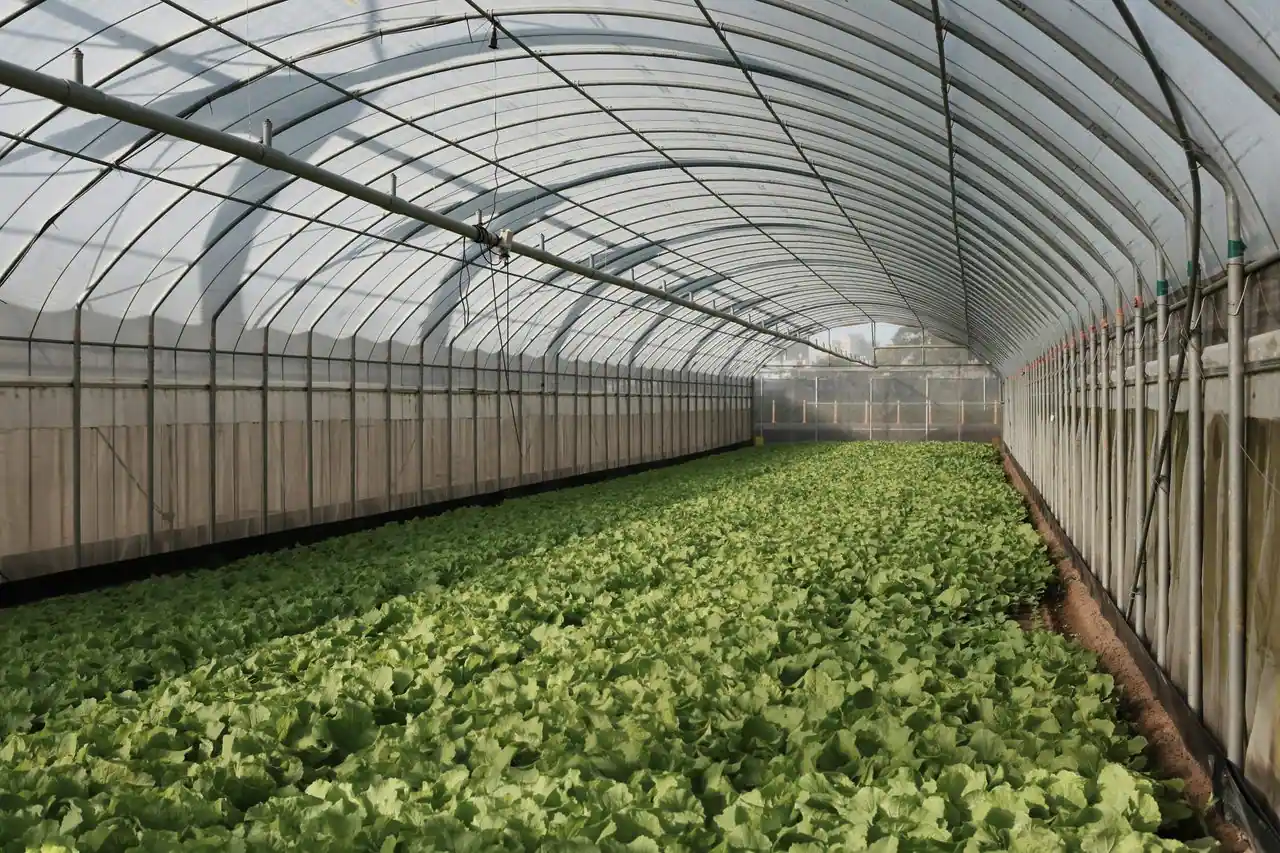
Most of our work from Sakarya is agricultural buildings. The Adapazarı plain and the area around Hendek are busy with livestock and greenhouse farming; barns, hay barns, machinery sheds and greenhouse structures are what we work on most. Serdivan and the industrial corridor bring warehouse and roof jobs.
The region’s most distinctive feature is rainfall. Sakarya is one of the provinces with the highest rainfall in Türkiye, and this directly affects two things: roof drainage and the ground. On the roof, gutter size and the number of downspouts are set according to local rainfall; an undersized gutter overflows in a downpour and soaks the facade and the ground. On standing seam roofs, the watertightness of the vertical seams becomes especially important under this rainfall pattern.
The second issue is the ground. In many places the soil of the plain is soft and the water table is high; the anchoring solution changes accordingly. A socket footing that is adequate in firm ground can settle in soft ground. That is why, on barn and greenhouse jobs, we make the foundation and anchoring decision based on the ground and ask for a soil survey if needed. Screw piles and concrete socket footings do not do the same job; which is right cannot be said without looking at the ground.
For livestock buildings, the third deciding factor is ventilation. In a humid climate, an enclosed shelter quickly causes animal health problems. Side wall openings, eaves height and the ridge opening work together as a system; the building’s orientation is set according to the prevailing wind. Knowing the capacity and the type of livestock from the start makes it possible to get the geometry right.
Demand profile
Most of our work from Sakarya is agricultural buildings: barns, hay barns, machinery sheds and greenhouses. The Adapazarı plain and the area around Hendek are busy with livestock and greenhouse farming; Serdivan and the industrial corridor have warehouse and roof work.
The second source of demand is renovation. In a province with high rainfall, roof and gutter problems come up regularly; reworking the drainage of an existing building is as common a job here as constructing a new one from scratch.
02Services
Featured work in Sakarya
This list is based on the requests we receive most often from this area. You can also write to us about work that isn’t on the list.
- Steel BarnsWide-span barns designed around ventilation and hygiene.
- Steel GreenhousesGreenhouse frames in galvanized profiles, built to withstand wind and snow loads.
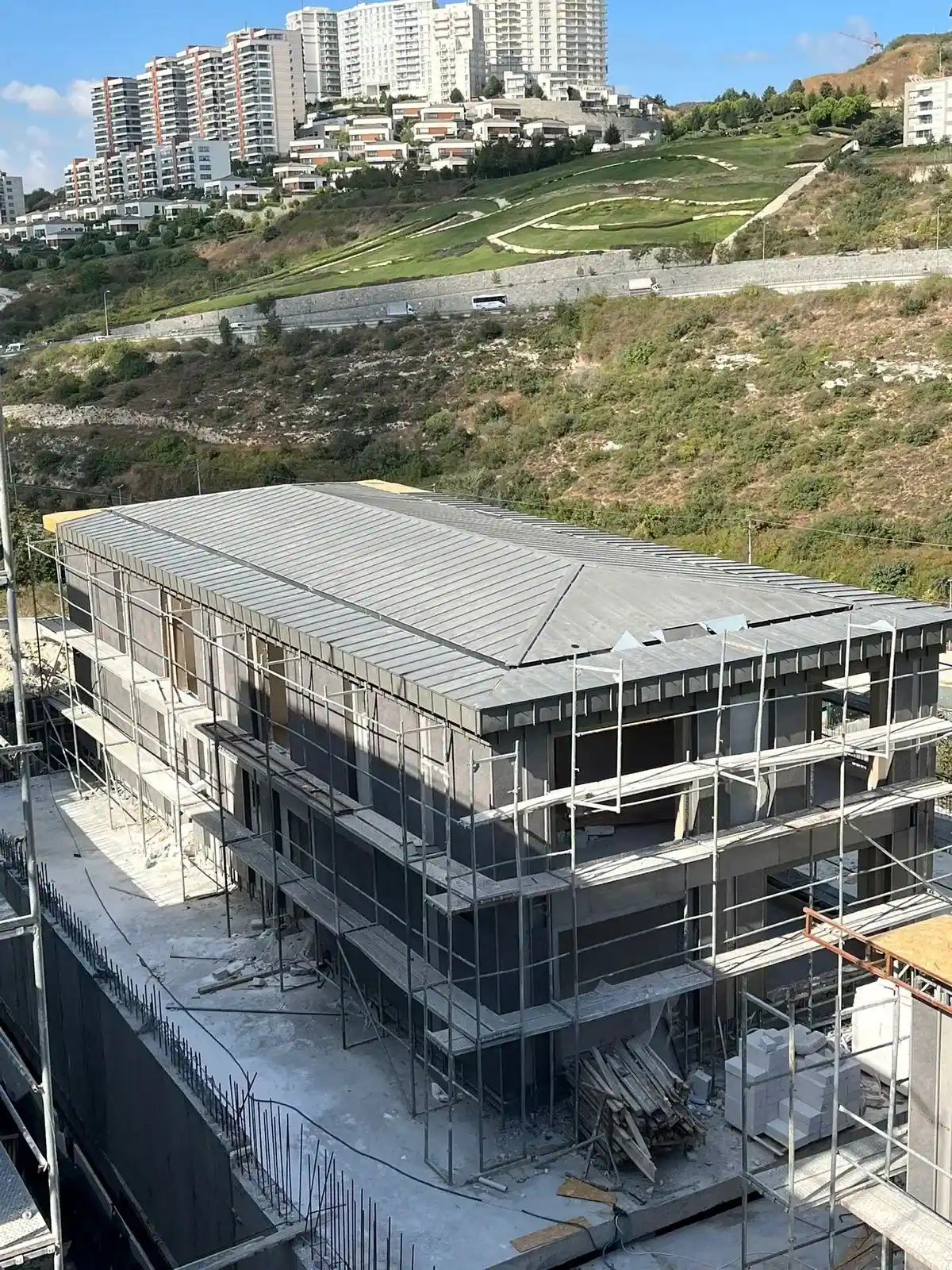
- Steel RoofsComplete roof structures, with purlins, trusses and roofing.
- Standing Seam RoofsA watertight roof surface with screwless, concealed-fix standing seam panels.
- Steel ConstructionStructural steel systems for warehouses, workshops and commercial buildings.
03Local conditions
What drives our decisions in Sakarya?
Climate, ground, wind and access conditions directly change our decisions on sections, surface treatment and installation. This section explains what we do differently in this area, and why.
01
Rainfall intensity and gutter size
Sakarya is one of the provinces with the highest rainfall in Türkiye, and on the roof that is a matter for direct calculation. Gutter size and the number of downspouts are set according to the roof area and the local rainfall intensity; an undersized gutter causes no trouble in normal rain but overflows in a downpour, soaking the facade and the ground. On standing seam roofs, the watertightness of the vertical seams also becomes more critical under this rainfall pattern.
02
Soft lowland soil and the water table
In many places the soil of the plain is soft and the water table is high. A socket footing that is adequate in firm ground can settle here, throwing the building out of level within a few seasons. On barn and greenhouse jobs, we make the foundation and anchoring decision based on the ground and ask for a soil survey if needed. Concrete socket footings and screw piles are not interchangeable; the choice is made only after the ground has been seen on site.
03
Ventilating livestock housing in a humid climate
In a humid climate, an enclosed shelter quickly causes animal health problems. Side wall openings, eaves height and the ridge opening work together as a system; if one falls short, the other two lose their function as well. If the capacity and the type of livestock are known from the start, the geometry is set up correctly; dimensions given without this information produce a building that is hard to correct later.
04From the field
Situations we often encounter in this area
We don’t give client names, project names or dates; what we describe is the situation itself and how it was solved.
The roof leaks, but the problem isn’t the roof
A situation we often encounter: the cladding is sound, and the leak comes from the gutters and downspouts. In heavy rain, an undersized gutter overflows and water gets in under the eaves; renewing the cladding does not solve the problem in this case. During the site survey we first check the gutter size and the number of downspouts against the roof area, and only then look at the cladding.
The crane can’t be positioned on soft ground
A practical problem on installation day on lowland plots. After rain softens the ground, there is nowhere to set up the crane and installation is postponed. We anticipate this at the site survey and plan the crane position in advance, along with ground plates to lay beneath it if needed; since this depends on the weather, we recommend keeping the installation day flexible.
05Models
The models we’re asked about most in this area
All are made to measure; the model is a starting point. Changes can be made to suit the dimensions and the opening.
06Delivery and installation
How do we get from Arnavutköy to Sakarya?
Shipments from Arnavutköy to Sakarya are planned. Where access is across fields or farmland, the track the installation vehicle can use is identified during the site survey; on soft ground, the crane position is planned in advance.
For agricultural buildings, measuring is done in a single visit; the ground and access are assessed on the same visit. Installation time depends on the number of bays, the anchoring method and the weather — ground softened by rain can affect the crane position. We state the exact number of days in the quote after the site survey.
We have no branches or dealers; all fabrication is done in our own workshop in Arnavutköy. Price and lead time depend on the size of the job, the opening and the installation conditions — so we don’t quote a figure or a number of days up front here. Send your measurements and location, and we’ll work it out for your project.
07FAQ
Frequently asked questions for Sakarya
How are foundations built on the soil of the plain?
No decision is made without looking at the ground. In soft ground and where the water table is high, a socket footing that would be adequate in firm ground can settle. Share your plot’s location and any soil survey you have; we will decide on that basis whether concrete socket footings or screw piles are right.
How is roof drainage calculated in a high-rainfall area?
Gutter size and the number of downspouts are set according to the roof area and the local rainfall intensity. An undersized gutter causes no trouble in normal rain but overflows in a downpour; in Sakarya this is more likely than in Istanbul, so we size the gutter accordingly.
Can I increase my barn’s capacity later?
With a building laid out on a structural grid, extension is possible: the new bay continues from the existing grid. If you mention the possibility of growth at the start, we choose the end frame accordingly and the extension is very easy. If not, the end section may need strengthening.
My roof leaks. Should I renew the cladding?
First you need to find where the leak is coming from. A situation we often see in Sakarya is sound cladding with inadequate gutter and downspout capacity; water overflowing in a downpour gets in under the eaves. In that case, renewing the cladding does not solve the problem. During the site survey we first check the gutter size against the roof area.
I don’t have a soil survey. Can work begin?
We do not ask for a survey on every plot, but we do not make the foundation decision without seeing the ground. On the plain, if the water table is high and the soil is soft, a solution that is adequate in firm ground will settle. If you have an existing survey, share it; if not, we look at the ground during the site survey and recommend a soil survey if needed.
What do you need to know to ventilate my livestock shelter?
Three things: the type of livestock, the capacity and the prevailing wind direction at the plot. Side wall openings, eaves height and the ridge opening are set according to these three. Dimensions given before these are clear produce, in a humid climate, a building that is hard to correct later.