
Türkiye · Province
Metal fabrication and installation in Kocaeli
Organized industrial zones and heavy industry along the Gebze–Dilovası corridor; mostly warehouses, factory roofs and mezzanines.
This page also covers the surrounding area: Gebze · Dilovası · Çayırova · Körfez
01Area
What kind of work comes up in Kocaeli?
Almost all the work we get from Kocaeli is for production and storage buildings. The organized industrial zones along the Gebze, Dilovası, Çayırova and Körfez corridor form one of the densest industrial belts in Türkiye; demand from here is at facility scale, not residential.
The three jobs we do most often are: renewing an existing factory roof, adding a steel extension to a warehouse or production space, and installing a mezzanine inside an existing space. All three share one constraint: production must not stop. Because the structure is prepared in the workshop and arrives ready to install, noisy work on site stays limited; a plan that proceeds section by section works in most facilities.
The second thing we watch in industrial buildings is how aggressive the environment is. In spaces used for chemicals, metalworking and food production, humidity, steam and chemical vapors wear metal down at an accelerated rate. In these spaces we recommend a galvanized structure and specify the scope of surface treatment from the outset; sealing the ends of hollow-section profiles is especially important here.
The third is the load hung from the roof. Cranes, ventilation ducts, lighting runs and pipe hangers all bear on the roof structure, and they create moving loads. Adding a crane later often means strengthening the structure; if there is any chance of one, mentioning it at the site survey keeps the extra cost small.
Demand profile
Almost all demand from Kocaeli is at facility scale. In order of frequency: factory and warehouse roof renewal first, then steel extensions to existing spaces, then mezzanines. These are followed by site fencing and on-site welding and reinforcement work.
The timing of demand also differs from residential work. Because facility investments are planned, discussions often begin months in advance, and the installation window is set by the production schedule. In facilities with an annual maintenance shutdown, the whole job is planned to fit within that window.
02Services
Featured work in Kocaeli
This list is based on the requests we receive most often from this area. You can also write to us about work that isn’t on the list.
- Steel ConstructionStructural steel systems for warehouses, workshops and commercial buildings.
- Steel RoofsComplete roof structures, with purlins, trusses and roofing.
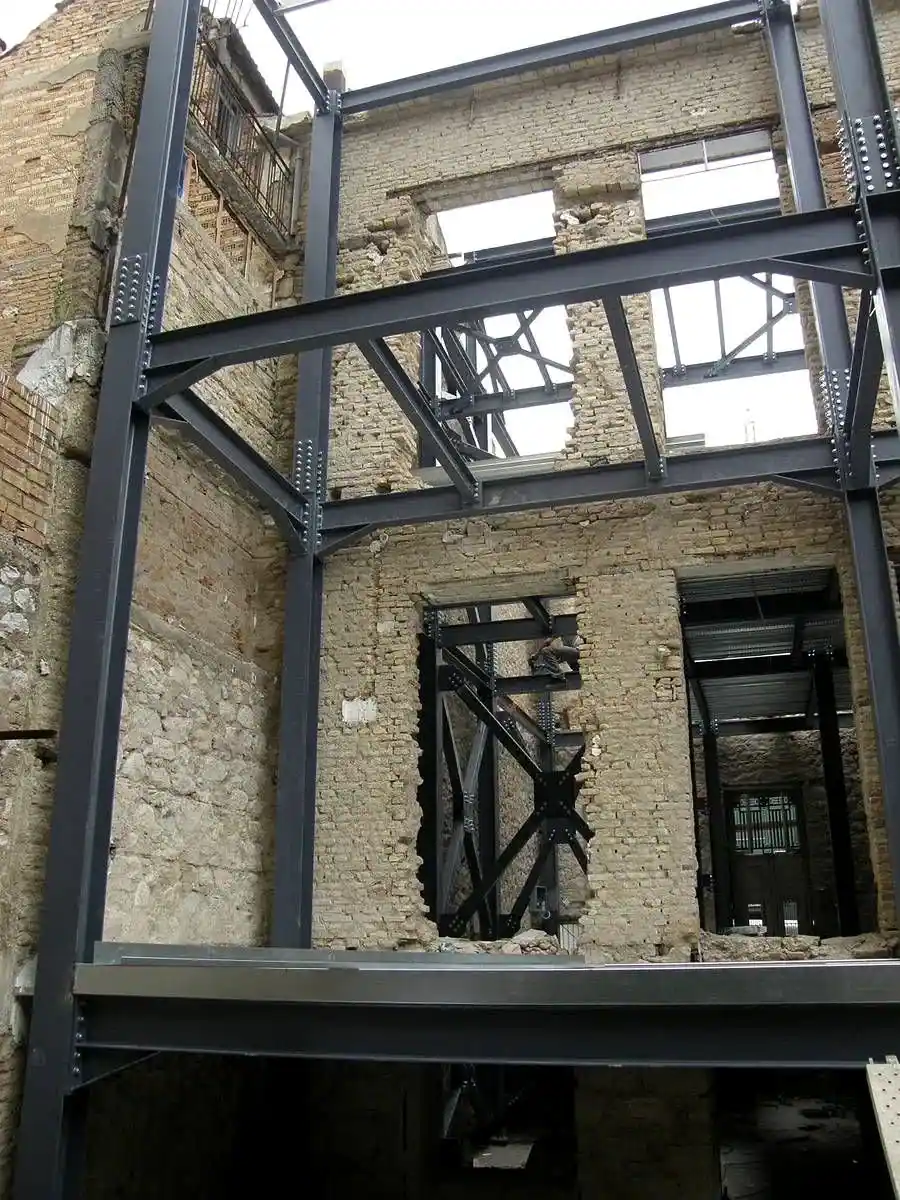
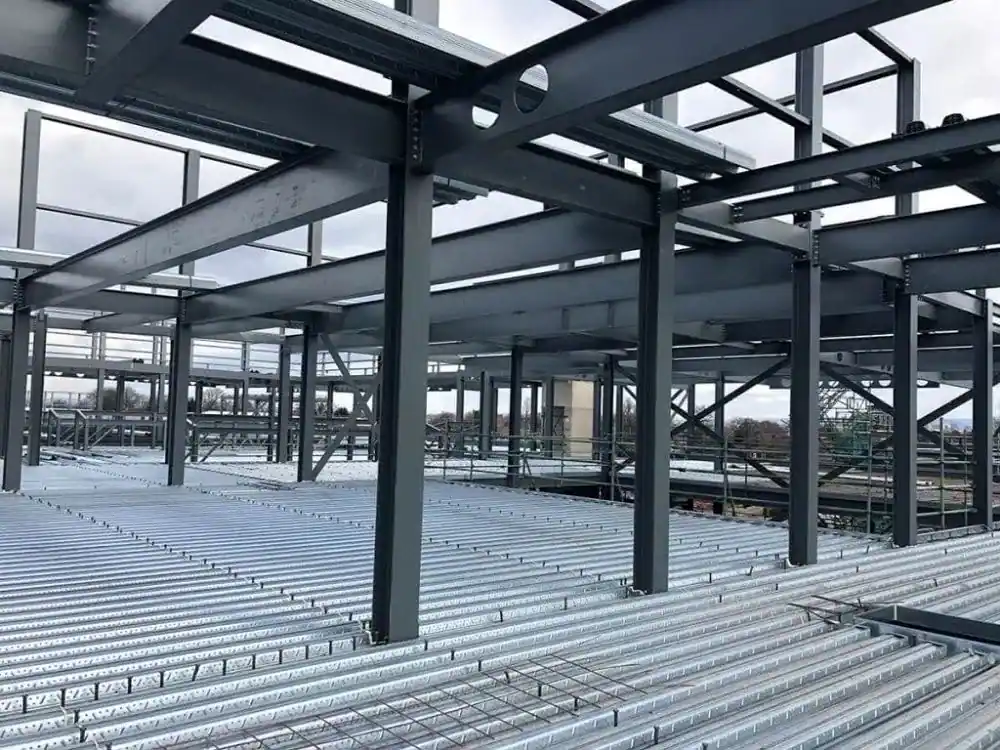
- Mezzanines & Setback FloorsA steel floor that doubles the usable area within an existing building.
- Mesh Panel FencesEconomical perimeter security with galvanized + PVC-coated wire mesh panels.
- Welding WorksMIG/MAG and electric arc welding, in the workshop and on site.
03Local conditions
What drives our decisions in Kocaeli?
Climate, ground, wind and access conditions directly change our decisions on sections, surface treatment and installation. This section explains what we do differently in this area, and why.
01
Industrial atmosphere and coating system
Along the Gebze–Dilovası corridor, the air is more aggressive than in residential areas: in a belt dense with chemical and metalworking plants, vapors containing sulfur and acids wear surfaces down at an accelerated rate. Here we do not specify a single-layer paint system; we combine galvanizing and paint on the structure and seal the ends of hollow-section profiles. Corrosion that starts on the inside cannot be seen from outside, so it is the last to be noticed.
02
Moving loads hung from the roof
An industrial roof carries more than its own weight and snow and wind loads; cranes, ventilation ducts, pipe hangers and lighting runs also bear on the structure. Some of these are moving loads and are calculated separately. A crane added later often means strengthening the structure; if the possibility is mentioned at the site survey, the extra cost stays small, but if it comes up later, the work is almost redone from scratch.
03
Industrial zone entry procedures and hot work permits
In organized industrial zones, the installation plan depends on administrative as well as technical conditions. Vehicle entry procedures, working-hour restrictions, working-at-height certificates and hot work permits in flammable environments all go into the plan. We clarify these with the facility’s responsible person during the site survey; a restriction discovered only on site wastes the entire installation day.
04From the field
Situations we often encounter in this area
We don’t give client names, project names or dates; what we describe is the situation itself and how it was solved.
The same joint fails a second time
A situation we often see in repair requests. If a joint opens up in the same place a second time, the problem is not the welding workmanship but the load or the design. When repairing, we first look at why it opened: is the load calculation inadequate, or is equipment added later overstressing the structure? Welding it again without finding the cause only means the same point will fail a third time.
Roof renewal without stopping production
The most common request, and possible in most facilities. The structure and cladding are prepared in the workshop and arrive ready to install, and site work proceeds section by section. It does not work when the lines hung from the roof are so dense that work is impossible without removing them; then the plan is built around the facility’s shutdown schedule. Which section will be closed off and when is set out in writing in advance.
05Models
The models we’re asked about most in this area
All are made to measure; the model is a starting point. Changes can be made to suit the dimensions and the opening.
06Delivery and installation
How do we get from Arnavutköy to Kocaeli?
Shipments from Arnavutköy to Kocaeli are planned; for long parts, the route and delivery time are set in advance. If industrial zone gates have vehicle entry procedures or time restrictions, the installation plan is built around them.
For facility work, measuring is usually done in two stages: first the dimensions and structural condition of the existing building, then verification before fabrication. Installation time depends on the roof area, access conditions and how long production can be paused; we do not give a number of days until these three are clear. We set out the exact schedule with the quote.
We have no branches or dealers; all fabrication is done in our own workshop in Arnavutköy. Price and lead time depend on the size of the job, the opening and the installation conditions — so we don’t quote a figure or a number of days up front here. Send your measurements and location, and we’ll work it out for your project.
07FAQ
Frequently asked questions for Kocaeli
Can you renew my factory roof without stopping production?
In most facilities, yes. The structure and cladding are prepared in the workshop, and work on site proceeds section by section; we plan with you which section is closed off and when. The exact duration depends on roof area, cladding type and access, so we give it with the quote.
I want a mezzanine in my warehouse. Is my ceiling high enough?
Giving a single threshold figure would be misleading; what matters is the sum of three heights: what passes underneath (a forklift or a pallet jack), how thick the floor will be, and what happens on top. Send us your ceiling height and what you plan to do on each level, and we will tell you whether it works.
Do you do on-site welding and reinforcement work?
We do. Additions to existing structures, repair of failed joints and reinforcement work are within our on-site scope. When repairing, we first look at why the joint opened — a joint that fails in the same place a second time points to a load or design error, not a welding defect. In flammable environments, hot work permits and fire precautions go into the plan.
The air at my facility in Gebze is corrosive. Which surface treatment is right?
On this corridor, a single coat of paint is not enough. We combine galvanizing and paint on the structure, seal the ends of hollow sections and finish all cutting and drilling before painting. Tell us what is produced at your facility — chemicals, metalworking and food create different environments, and that determines the scope.
I may want to add a crane to the roof later. What should I do now?
Just tell us. A crane creates a moving load, and the structure is selected accordingly. If we know about the possibility from the start, the difference in section size stays small; if it comes up later, strengthening is needed, and that often costs close to redoing the work. If you also tell us what crane capacity you have in mind, we will base the calculation on it.
Will the industrial zone’s entry procedures delay installation?
Not if they are known in advance. Vehicle entry permits, working hours, working-at-height certificates and hot work permits go into the plan from the start. We clarify your facility’s procedures with the responsible person during the site survey. A restriction discovered only on site, however, can waste the entire installation day.