
Custom Ironwork
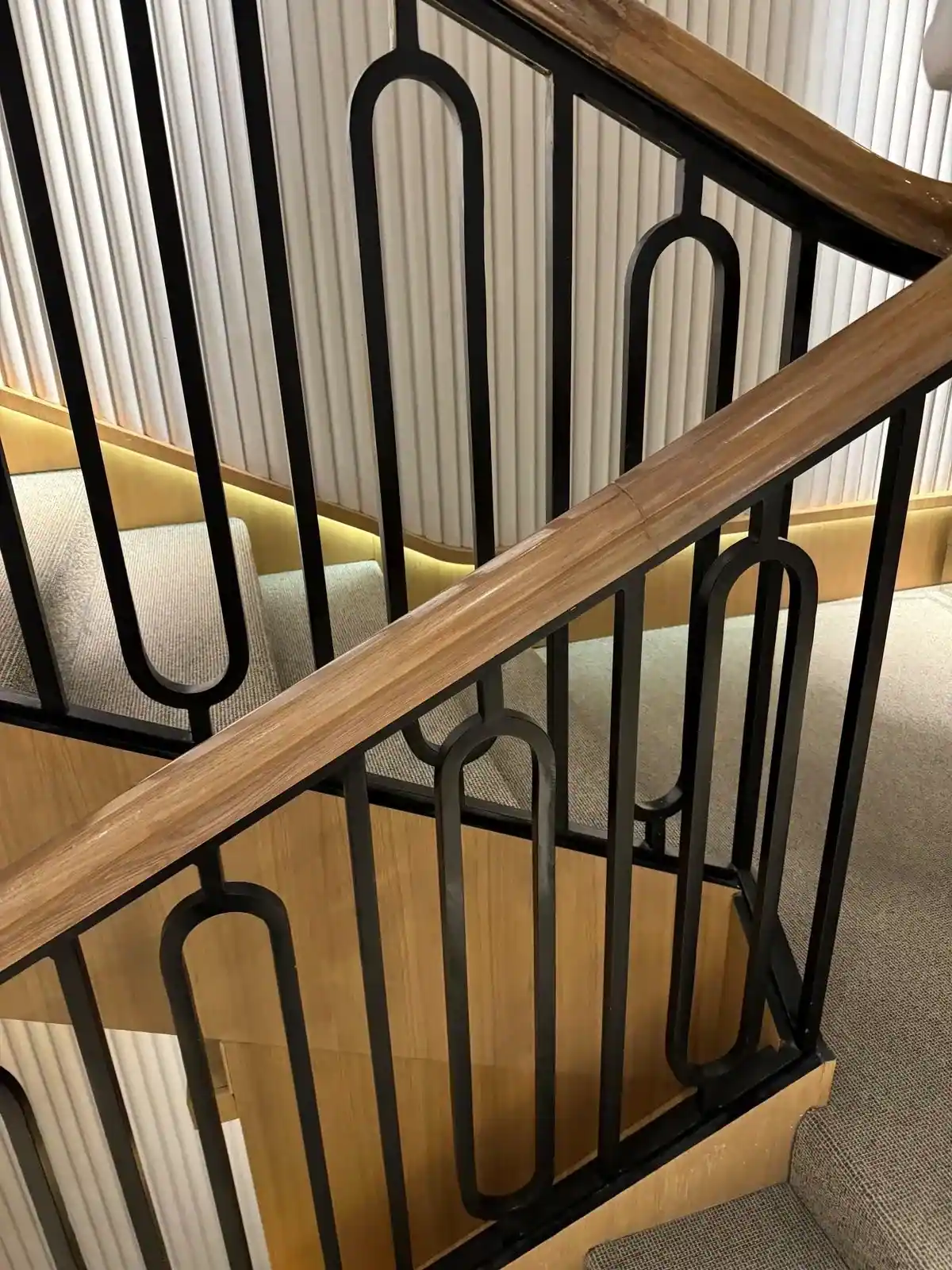
Custom ironwork covers the metalwork that doesn’t fit into a catalog: doors, window grilles, partitions, stairs and metal details whose size and shape are specific to the project. Measured on site, fabricated in our workshop, installed on site.
01Models
Custom Ironwork models
Every model has a code. Sending us the code on WhatsApp is enough to make clear which model we are talking about.
02Definition
What is custom ironwork, and when do you need it?
Custom ironwork is the work that comes in where a standard product won’t do. If an off-the-shelf door, railing or partition doesn’t fit the space — the opening is out of square, the levels differ, the dimensions are unusual or the shape you want isn’t available on the market — the piece is made to measure. That is why custom ironwork has no single product definition; it is defined by its method: on-site measurement, cutting and welding in the workshop, surface treatment and installation on site.
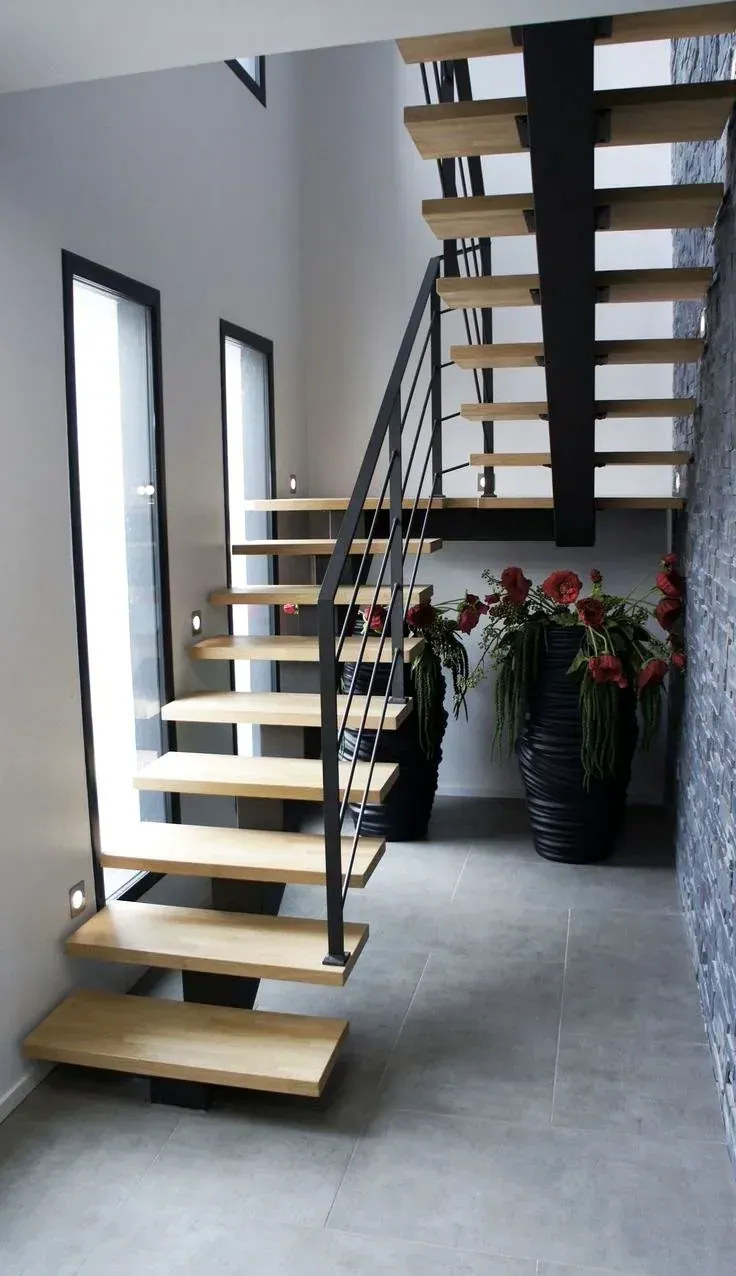
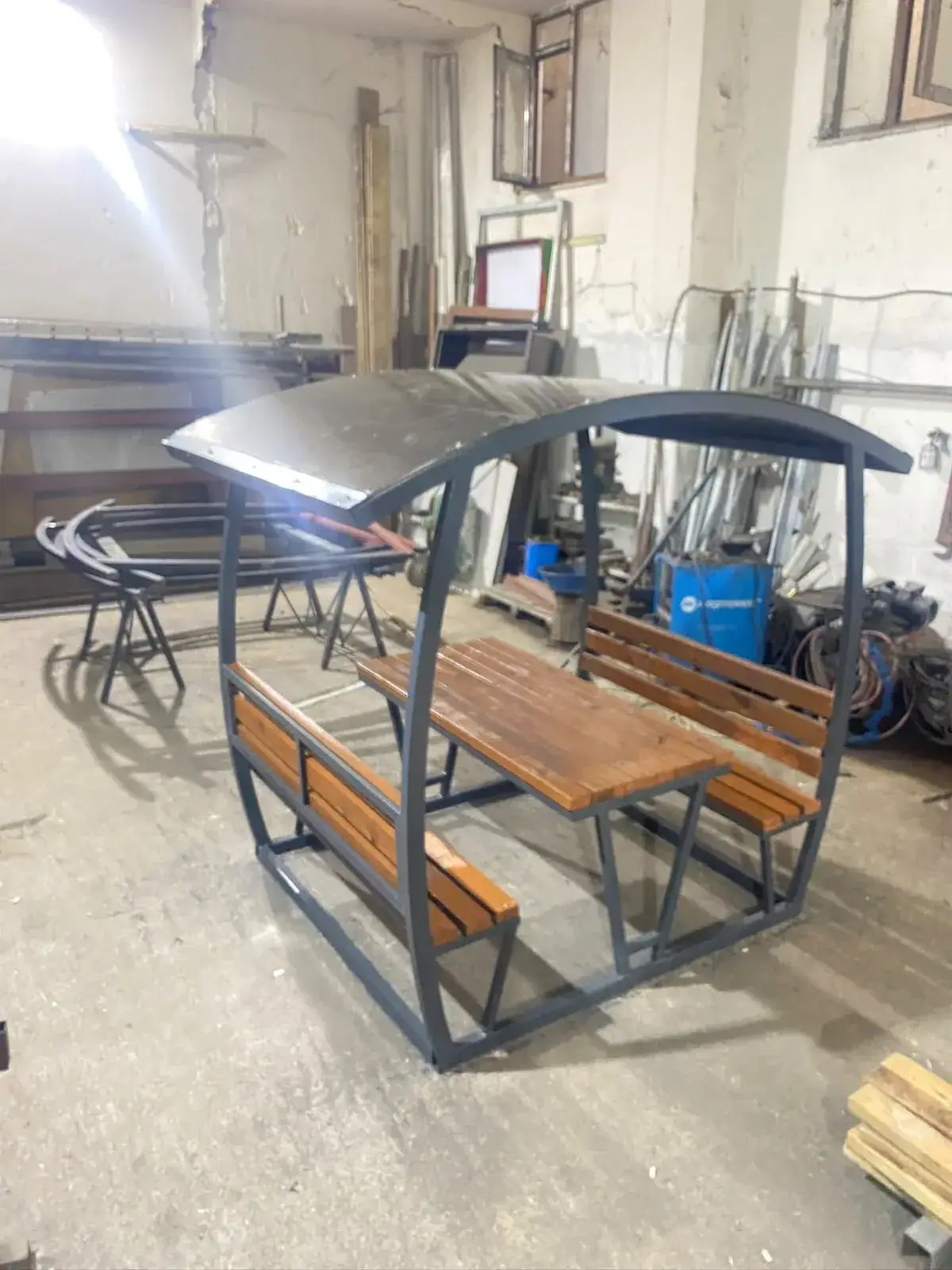
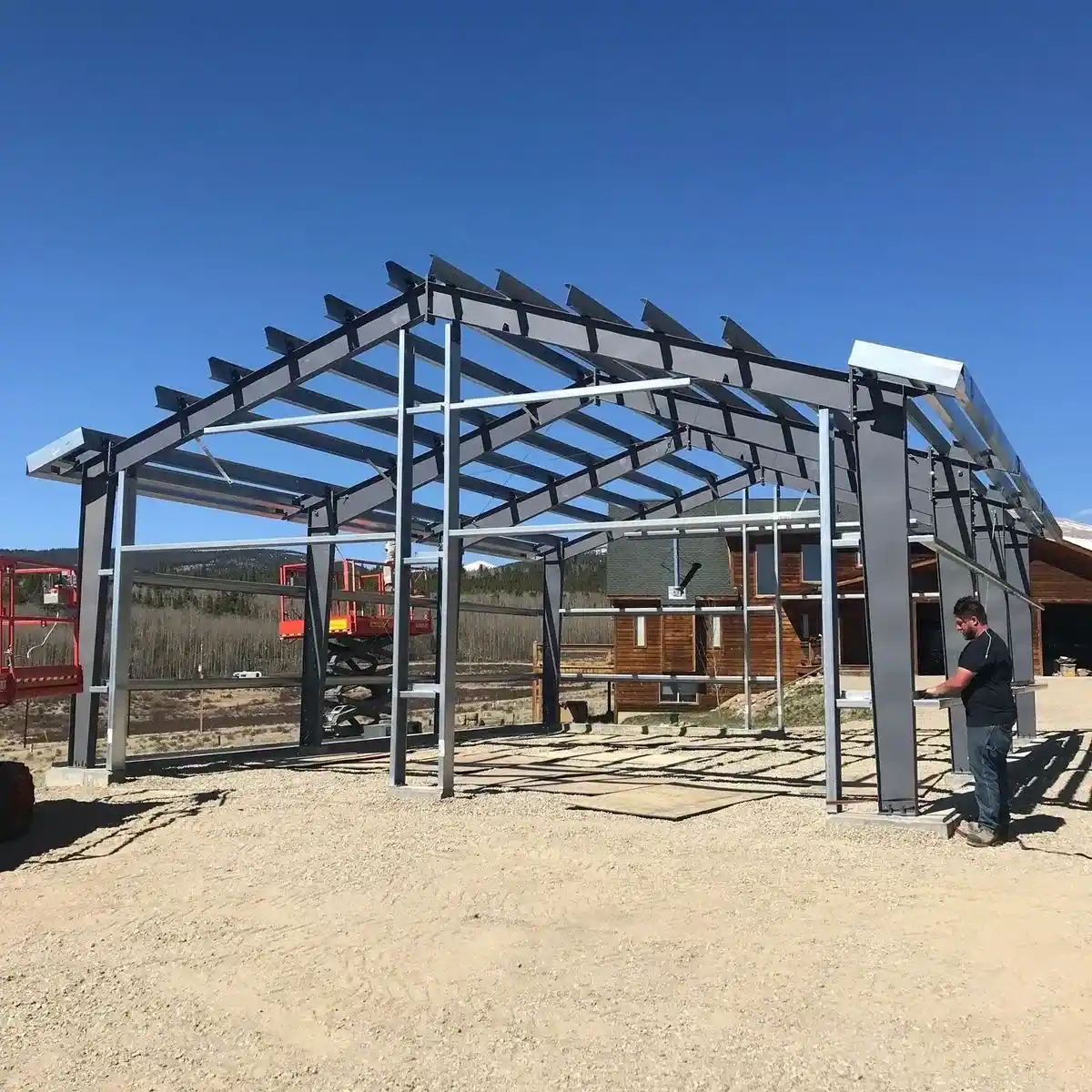
In practice, the jobs we come across most often are window and balcony grilles, basement and storage doors, technical room doors, interior partitions and plain railings that are not wrought iron, service stairs, platforms and podiums, machine guard cages, eave and canopy frames, cover and manhole frames, and shelving and stand frames. What they have in common is that the dimensions are non-standard and each piece is drawn to suit where it will go.
In this work, quality is determined not by the material but by the workmanship. Two craftsmen will get two different results from the same box section: a frame that is out of square won’t close, an unground weld seam shows under the paint, and a door that wasn’t measured on site either rubs or leaves a gap. That is why we always take the measurements ourselves; the measurements a customer gives us are enough to outline a quote, but not to serve as the basis for fabrication.
The second deciding factor is surface preparation, and for every piece that will stand outdoors, it directly determines the service life. If the weld seams are not ground flush, the surface is not sandblasted and the primer is skipped, corrosion will start at the joints no matter how good the paint is. For pieces that will stay indoors, these steps can be shortened; for work that will stay outdoors, they never are.
03Types
Common custom ironwork jobs
These are the most requested types; the list is not exhaustive — any metal part with a defined size and shape can be fabricated.
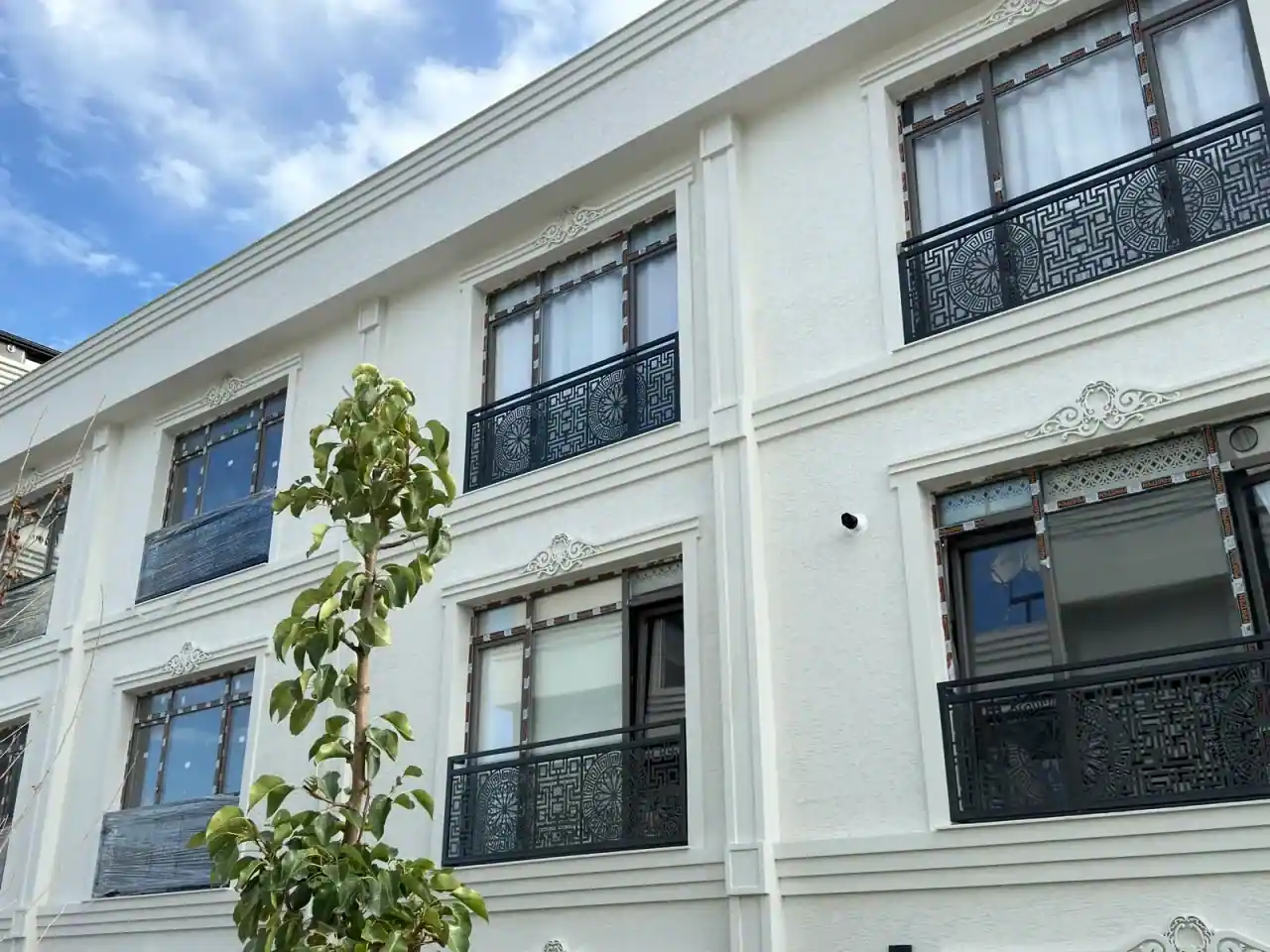
Window and balcony grilles
For security and fall prevention. The infill spacing is set with child safety in mind, and no horizontal rails are created that would act as footholds for climbing. The grille is fixed to the wall, not to the window frame; a grille fixed to the frame puts strain on the window itself.
Storage, basement and technical room doors
Plain, durable and made to measure. In spaces that need ventilation (boiler room, generator room, meter room), a louver detail is integrated into the door. The lock type is chosen according to use; in technical rooms, a padlock hasp or a cylinder lock is usually preferred.
Service stairs and platforms
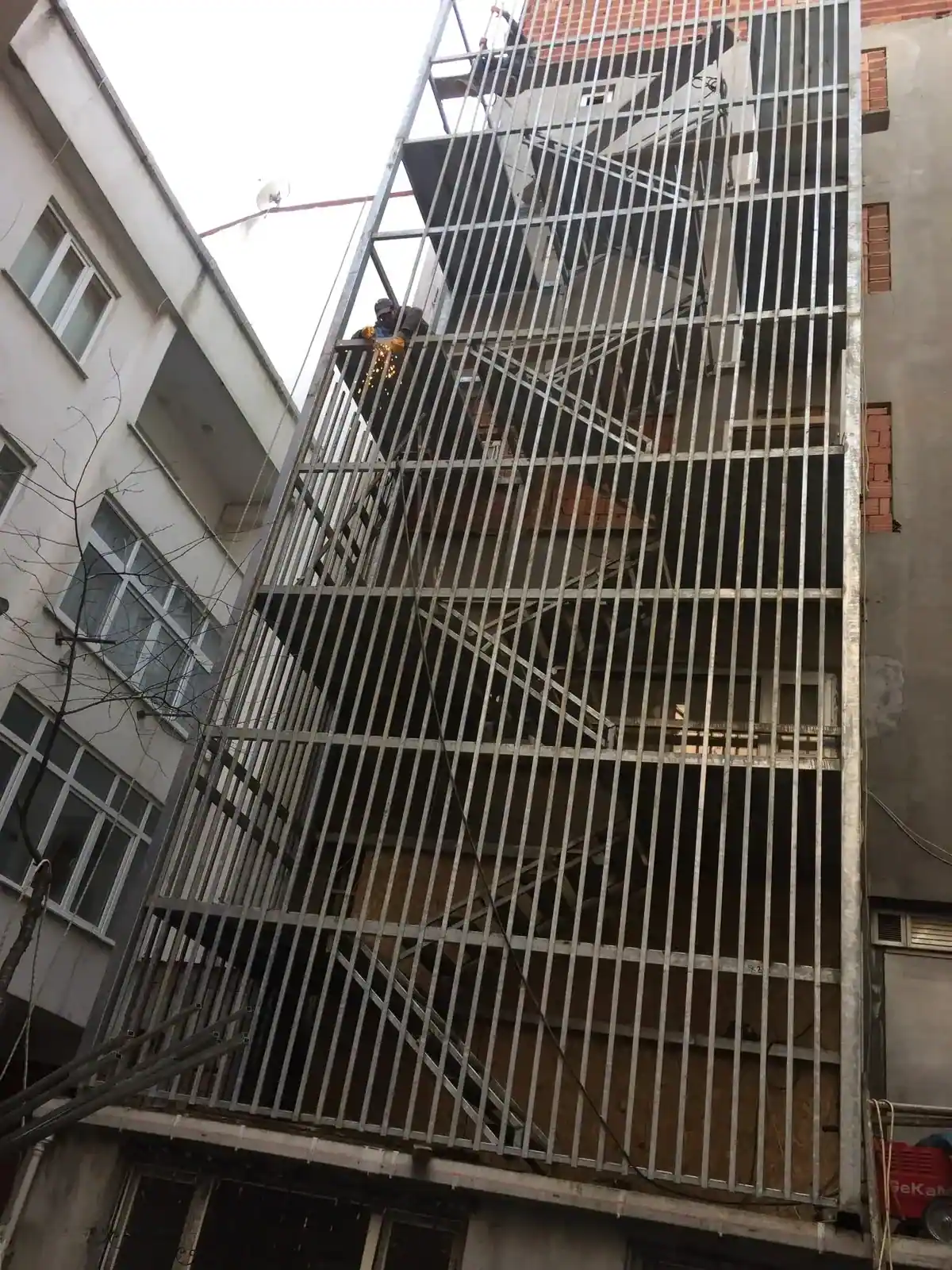
For access to a roof, a mezzanine or the top of machinery. Treads are made of steel grating or diamond plate; both reduce slipping, and grating also doesn’t collect water or snow. The railing and handrail are planned according to the working height.
Interior partitions and glazing frames
Slim-profile partitions for dividing spaces inside offices and showrooms. What is critical here is squareness and flatness: if a frame that will take glass is out of plumb, the glass either won’t fit or will be under stress. Measurements are always taken on site.
Guard cages and machine enclosures
Enclosing rotating parts and hazardous areas. Removable panels or hinged covers are left for maintenance; a fully welded enclosure ends up having to be cut open at the first service.
04Technical
Materials and technical specifications
The profile and surface treatment are determined by where the piece will stand, what it will carry and how it will be used.
| Profile | Box section, flat bar, angle, tube or sheet; section to suit the job |
|---|---|
| Measurements | Taken on site; customer measurements serve only to outline the quote |
| Joints | Welded; seams ground flush with the surface |
| Finish (exterior) | Sandblasting + primer + electrostatic powder coating; galvanizing in humid environments |
| Finish (interior) | Primer + paint; the scope can be reduced depending on use |
| Infill | Vertical bars, flat bar, perforated sheet, grating or glass |
| Installation | Wall plugs or anchors; the bearing capacity of the surface is checked during the site survey |
| Hardware | Hinges, locks, handles and door closers selected according to frequency of use |
05Measurements
Measurement and planning
In custom ironwork, a measurement is not a single width and height. All four corners of the opening are measured separately, because no wall opening is perfectly rectangular; plumb and level are checked, and any level difference and plaster allowance are taken into account. For doors, the opening direction, the clearance in front of and behind the door and the thickness of the floor finish are also determined — if the finish will be laid later, the threshold height is set accordingly.
The second step is checking the mounting surface. Anchors hold in reinforced concrete or solid brick; they do not hold in aerated concrete, hollow brick or deteriorated plaster, and this can only be determined on site. If the surface is not suitable, either a different anchor system or a separate supporting frame is needed. An installation commitment made without this check ends up either postponed on site or patched over with the wrong solution.
Four-corner measurement
An opening is never perfectly rectangular; all four corners are measured separately, and plumb and level are checked.
Opening direction and clearance
For doors, the opening direction, the clearance in front and behind, and the direction of use are determined.
Floor finish
If the floor finish will be laid later, its thickness is factored into the threshold and bottom clearance.
Mounting surface
Reinforced concrete and solid brick hold anchors; with aerated concrete and hollow brick, the solution changes.
06Process
From site survey to handover
Every job goes through the same seven steps. When one of them is skipped, the problem usually shows up not during installation but at the end of the first year.
- 01
Site survey
Measurements are taken on site; we see the opening, level differences, ground conditions and any existing structure. The dimensions on paper almost never match those on site exactly.
- 02
Design and drawings
A technical drawing is prepared from the measurements. Infill divisions, profile sections and any automation layout are finalized at this stage.
- 03
Approval
The drawing and the color and material choices are approved in writing. Because a change after approval means reversing fabrication, this step is not rushed.
- 04
Fabrication
Cutting, bending and welding are done in our workshop in Arnavutköy. Weld seams are ground flush with the surface.
- 05
Surface treatment
The surface is prepared by sandblasting and primed, then electrostatic powder coating is applied. For parts that will stay outdoors, galvanizing comes into play.
- 06
Installation
On site, the work is anchored, aligned and, if needed, welded in place. If there is automation, the electrical connection and photocell adjustment are completed the same day.
- 07
Handover
Operation is checked, and use and maintenance are explained. Remote controls are programmed, locks are handed over and any phone app is set up at this stage.
07Price
What determines the price?
In custom ironwork, the price is determined not by square meters but by workmanship; two pieces of the same size can differ significantly because of the number of details and the surface treatment.
Piece size and profile section
The basic item that determines the amount of material.
Number of details and joints
Every weld, every miter and every grinding pass is separate labor; a plain frame and a leaf divided into sections are not the same.
Infill type
Vertical bars, perforated sheet, grating and glass fall into different material and labor classes.
Surface treatment
Sandblasting + primer + powder coating is more extensive than interior paint; galvanizing is a separate class.
Hardware
The quality of hinges, locks, handles and door closers is chosen according to frequency of use and is reflected in the total.
Installation conditions
Height, the need for scaffolding, tight access and the condition of the anchoring surface determine the time required.
08Maintenance
Maintenance and service life
For custom ironwork that stands outdoors, maintenance comes down to one sentence: touch up any spot where the paint has chipped. Knocks, scratches and especially breaks in the coating at the joints are where corrosion starts; caught early and touched up, the piece will last for decades — neglected, the rust works its way in from that same spot. A visual inspection once a year is enough, or every six months in locations near the sea.
Moving parts bring a second topic: hinges, locks and door closers. A door that has to be forced shut wears out its hinges and sags over time; if the sagging is caught early, it is fixed by adjustment or a hinge replacement, but if it is left too long, it damages the frame as well. Lock cylinders are lubricated once a year with dry graphite — oily sprays attract dust and, in the long run, make jamming more likely.
09FAQ
Frequently asked questions about Custom Ironwork
It’s a very small job — do you take those on?
We do, but to be honest, with very small jobs, making separate trips for measuring, fabrication and installation can make the cost larger than the job itself. In such cases, we suggest either combining several jobs or collecting the piece from our workshop. Tell us what you need, and we will tell you whether it can be done and what approach makes sense.
Can I give you the measurements myself?
They are enough to outline a quote, but not to serve as the basis for fabrication. The four corners of an opening are almost never equal; whether it is plumb and level, and any level differences, can only be checked on site. A piece made to measurements on paper either rubs or leaves a gap. That is why we always take the fabrication measurements ourselves.
Galvanizing or paint?
It depends on where the piece will stand. For indoor work, primer + paint is enough in most cases. Outdoors, in humid spaces or in locations near the sea, we recommend galvanized fabrication; since galvanizing also protects cut and scratched spots, in those settings it becomes the item that determines service life. The two can also be used together.
Do you repair existing pieces?
We do. Sagging doors, broken welds, rusted legs and failed hinges are repairs we do frequently. If on-site welding is needed, that is possible too. In some cases, however, a repair costs close to new fabrication; when that happens, we say so from the start — we don’t want to do something that only looks like a repair and comes back a short while later.
Do you make frames for glazing?
We do; interior partitions, doors and storefront frames are among our frequent jobs. Squareness and flatness are critical here: in a frame that is out of plumb, the glass either won’t fit or will be under stress, and stressed glass cracks over time. We can supply the glass, or you can source it yourself; we give the glass dimensions after the frame has been fabricated so that the glass fits exactly.
Can I choose the color?
You can; electrostatic powder coating is applied in colors from the RAL chart. If the piece is going next to existing joinery, we recommend the same shade; if it will stand on its own, one shade darker than the facade. Color has nothing to do with service life — what matters is that sandblasting and primer have not been skipped.
How long does delivery take?
For small and medium jobs, the timeline is set not by fabrication but by surface treatment and the installation schedule. Measuring is followed by drawings and approval, then cutting and welding, then painting or galvanizing, and finally installation. Since the exact timeline depends on the scope of the job, we give it together with the quote.
Do you weld on site?
Yes, the anchoring, alignment and reinforcement welds needed during installation are done on site. However, on-site welding is not as controlled as workshop welding; that is why we design around parts that are finished in the workshop as far as possible and only assembled on site. We have a separate service for jobs that require welding on site.
10Related services
Work often done alongside this
14 / Contact
Send us your measurements for Custom Ironwork
Approximate measurements and your district are enough for us to outline the quote. Let’s set the best day for the site survey in the same conversation.