
Istanbul · District
Metal fabrication and installation in Sarıyer
Sloping, wooded plots along the Zekeriyaköy corridor; wind and moisture loads on the Black Sea coast.
This page also covers the surrounding area: Zekeriyaköy · Kilyos · Demirciköy · Uskumruköy
01Area
What kind of work comes up in Sarıyer?
Sarıyer brings two distinct sets of conditions together in one district: the wooded villa plots along the Zekeriyaköy, Demirciköy and Uskumruköy corridor, and the coastal buildings around Kilyos. We discuss different things for each.
The defining feature of the Zekeriyaköy corridor is slope. Most plots are on hillsides, with a marked difference between the entrance level and the garden level. This directly affects decisions on gates and railings: on a sloping entrance, a double-leaf swing gate scrapes the ground as it opens, and with a tracked sliding gate the track cannot accommodate the level difference. A cantilever sliding gate is often the solution here — the gate is held clear of the ground, with no track on the ground. For wall-top railings, the slope means deciding up front whether the railing steps down or follows the slope.
Along Kilyos and the northern coast, the main issue is wind and salty moisture. On an exposed north-facing frontage, a gate with solid infill becomes a substantial sail; here it is necessary either to choose spaced infill or to strengthen the frame. Surface treatment differs too: in locations exposed to the sea, we recommend a galvanizing + paint combination and say from the start that inspection intervals will be shorter.
Then there is access. Some plots in and around Zekeriyaköy are reached by narrow, winding roads, and a vehicle carrying long parts cannot make the turn at certain points. So during the site survey we note not only the gate dimensions but also the route the installation vehicle can take, and if necessary we split the part so it can be joined on site.
Demand profile
In Sarıyer, demand splits along the district’s two separate corridors. Along the Zekeriyaköy, Demirciköy and Uskumruköy corridor, villa entrance gates, wall-top railings and automation predominate; since the plots are sloping, all of this work is solved together with the level difference.
Along Kilyos and the northern coast, materials take priority. Even when the product requested is the same — gate, railing, enclosure — the choice of surface treatment and fasteners changes. Wrought iron is an ongoing topic in both areas: a classic style is preferred for villas in the woods, and simpler models with less surface area along the coast.
02Services
Featured work in Sarıyer
This list is based on the requests we receive most often from this area. You can also write to us about work that isn’t on the list.
- Villa Driveway GatesSliding, double-leaf swing and cantilever sliding garden gates, made to measure.
- Automatic Villa GatesMotorized sliding and swing systems, safety photocells and remote control.
- Wall-Top RailingsWrought iron and modern railing designs that complete the garden wall.
- Wrought IronGates, railings, canopies and window grilles with hand-forged details.
- Louvered FencesA modern fence system with aluminum slats that provides privacy.
03Local conditions
What drives our decisions in Sarıyer?
Climate, ground, wind and access conditions directly change our decisions on sections, surface treatment and installation. This section explains what we do differently in this area, and why.
01
Sloping entrances and gate opening
Along the Zekeriyaköy corridor, the difference between the entrance level and the garden level drives most decisions. On a sloping entrance, a double-leaf swing gate scrapes the ground as it opens, and with a tracked sliding gate the track cannot accommodate the level difference. A cantilever sliding gate is often the solution here, because the gate is held clear of the ground and there is no track on the ground. The trade-off is a stronger frame and extra clearance behind for the counterweight.
02
Wind load on the northern frontage
In Kilyos and on the exposed northern frontage, a gate with solid infill becomes a substantial sail. Wind load factors into the choice of hinges and motor as well as the section of the leaf frame. Along this stretch we either recommend a partly open infill style or increase the section for solid infill; choosing between them is a deliberate decision between appearance and strength.
03
Salty moisture and joints
On plots near the shore, corrosion appears first at joints and at the base of posts; these are the places where water clings and the paint is thinnest. In these locations we use galvanizing and paint together, and finish all cutting and drilling before painting. We advise a visual inspection every six months rather than once a year; early touch-up of spots where the paint is damaged is what really determines lifespan.
04From the field
Situations we often encounter in this area
We don’t give client names, project names or dates; what we describe is the situation itself and how it was solved.
Installation via narrow, winding roads
Some plots around Zekeriyaköy are reached by narrow, winding roads, and a vehicle carrying long parts cannot make the turn at certain points. In that case we do one of two things: split the part so it can be joined on site, or unload it at a point near the site and carry it the last stretch by hand. We decide which is needed by seeing the road during the site survey; an access problem discovered later wastes the entire installation day.
Wall-top railings on a slope
On a sloping garden wall, a railing can be handled in two ways: stepping down in stages or following the slope. The stepped solution looks neater but leaves triangular gaps beneath the panels; following the slope leaves no gaps, but each piece is fabricated differently. The decision depends on the slope angle and how even the top of the wall is — we measure both during the site survey.
05Models
The models we’re asked about most in this area
All are made to measure; the model is a starting point. Changes can be made to suit the dimensions and the opening.
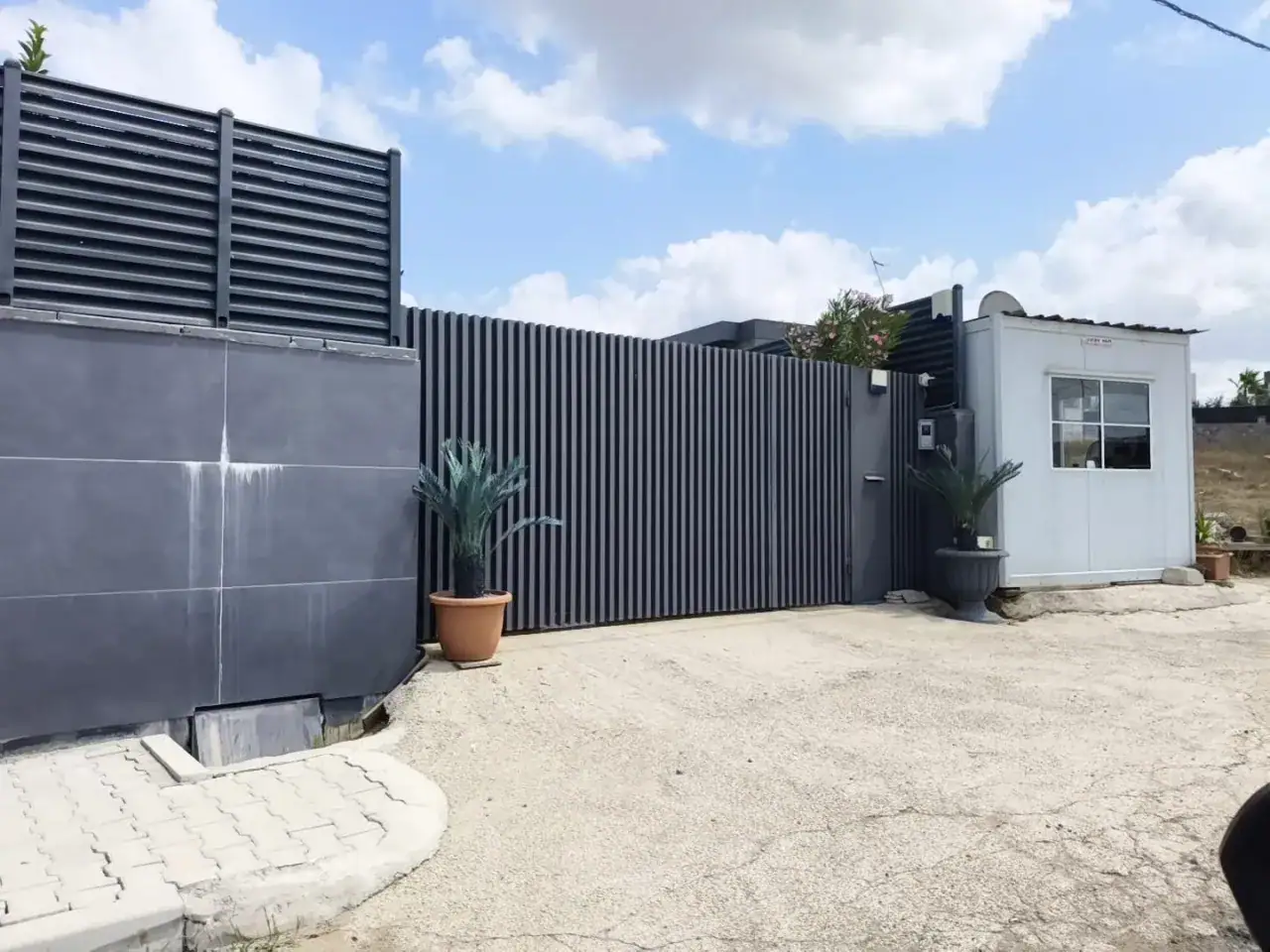
Anthracite Horizontal-Slat Sliding Villa Gate
Villa Driveway Gates · Anthracite gray (RAL 7016)
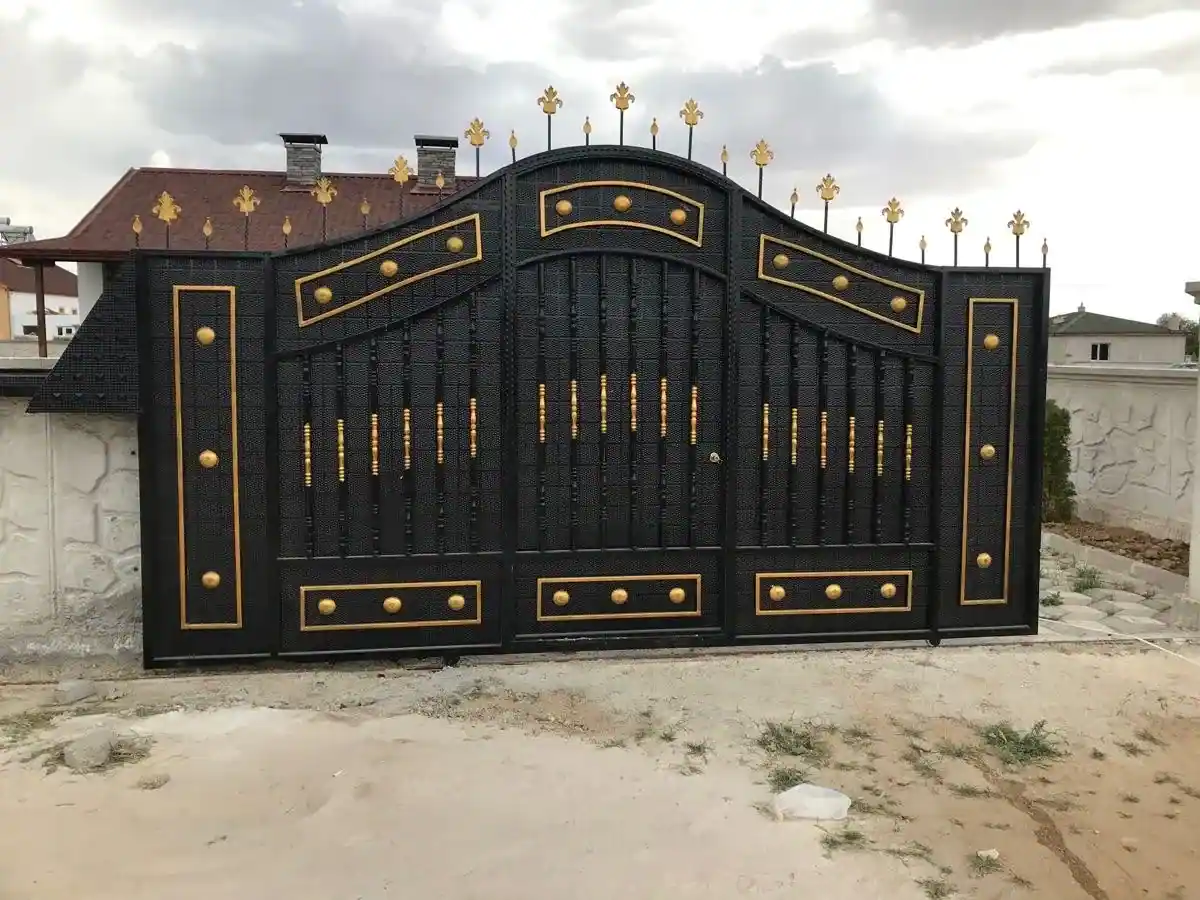
Double-Leaf Wrought Iron Villa Gate
Villa Driveway Gates · Matte black with antique gold patina
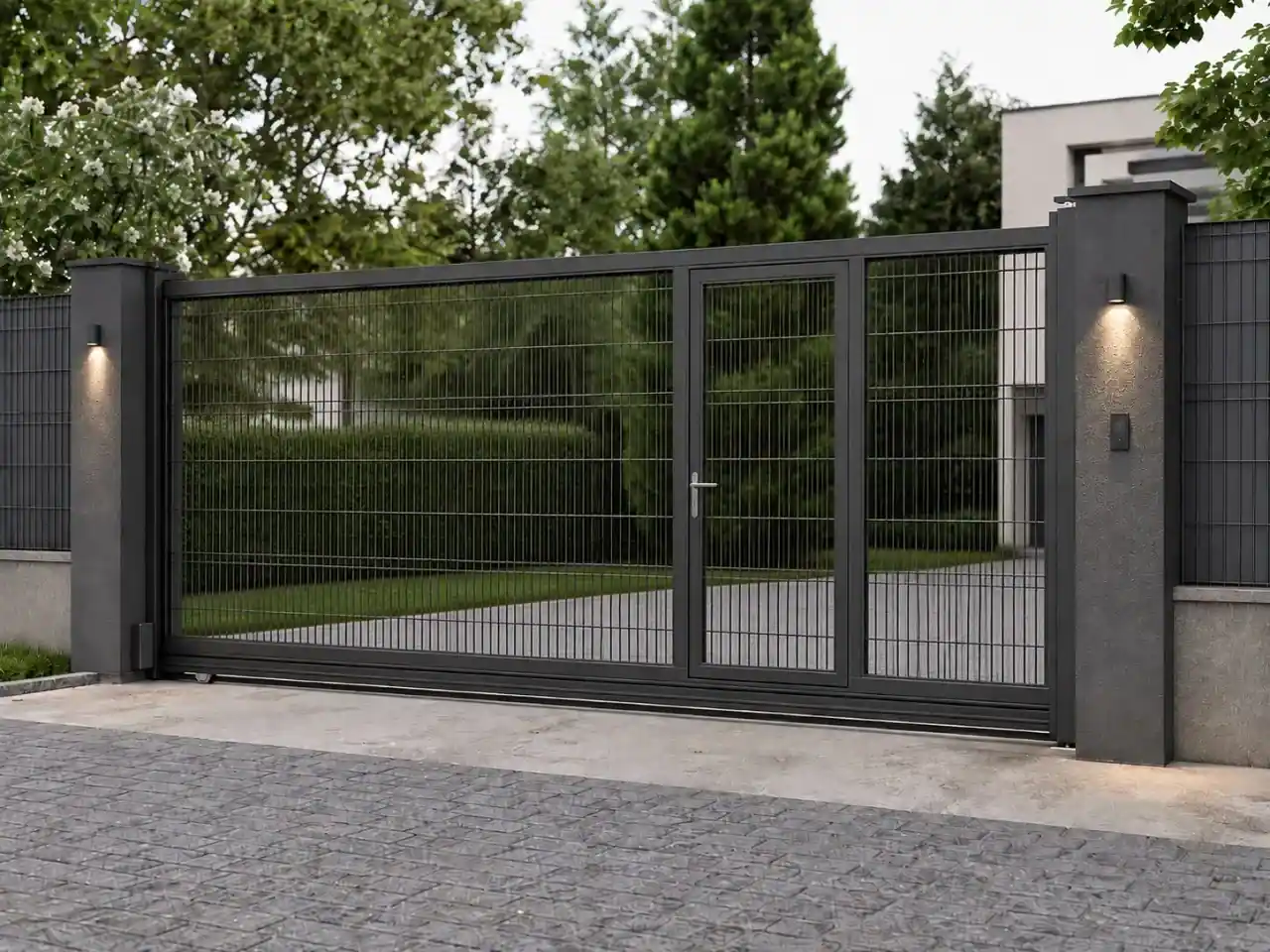
Motorized Sliding Villa Gate System
Automatic Villa Gates · To match the gate color
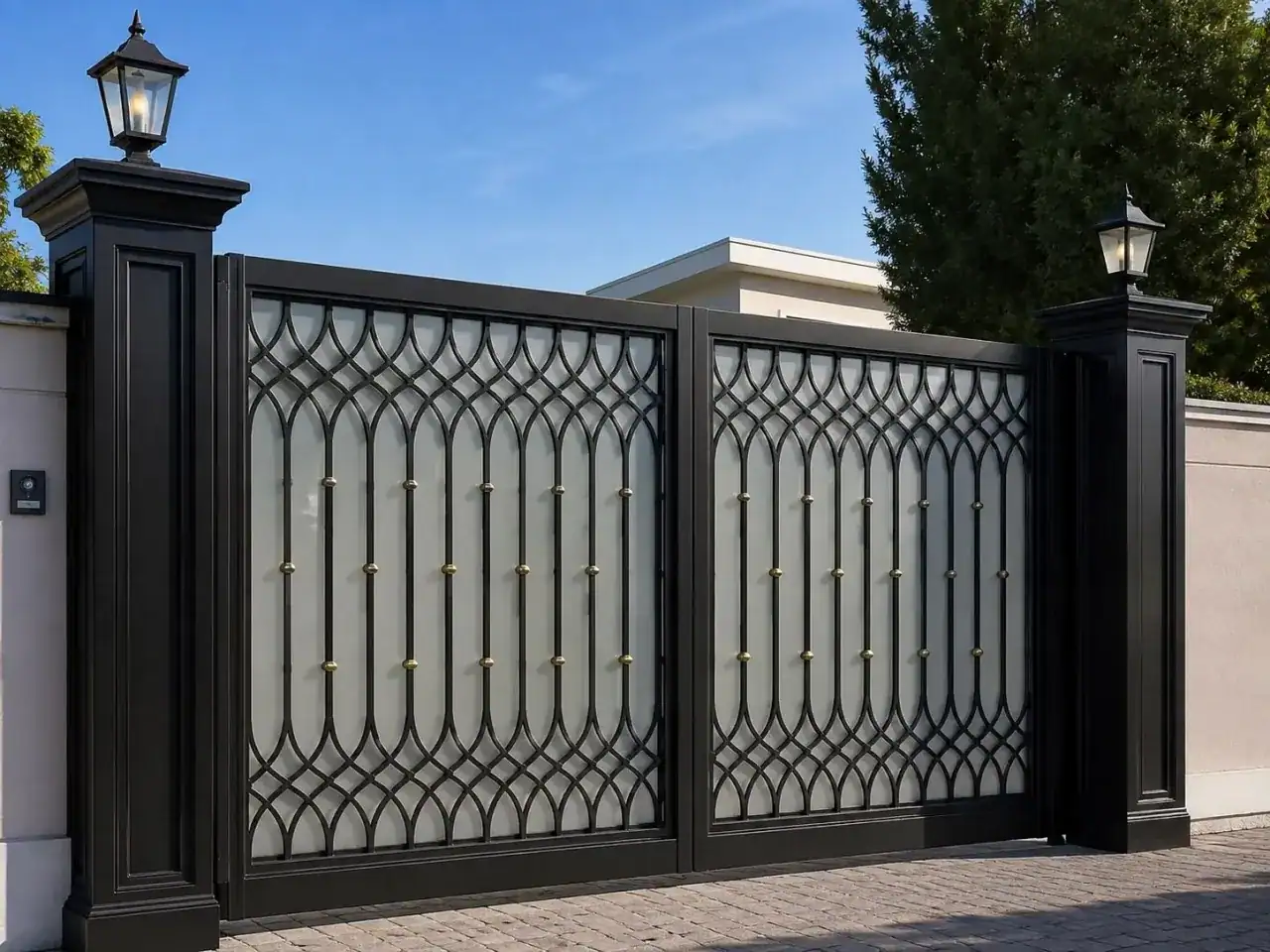
Motorized Double-Leaf Villa Gate System
Automatic Villa Gates · To match the gate color
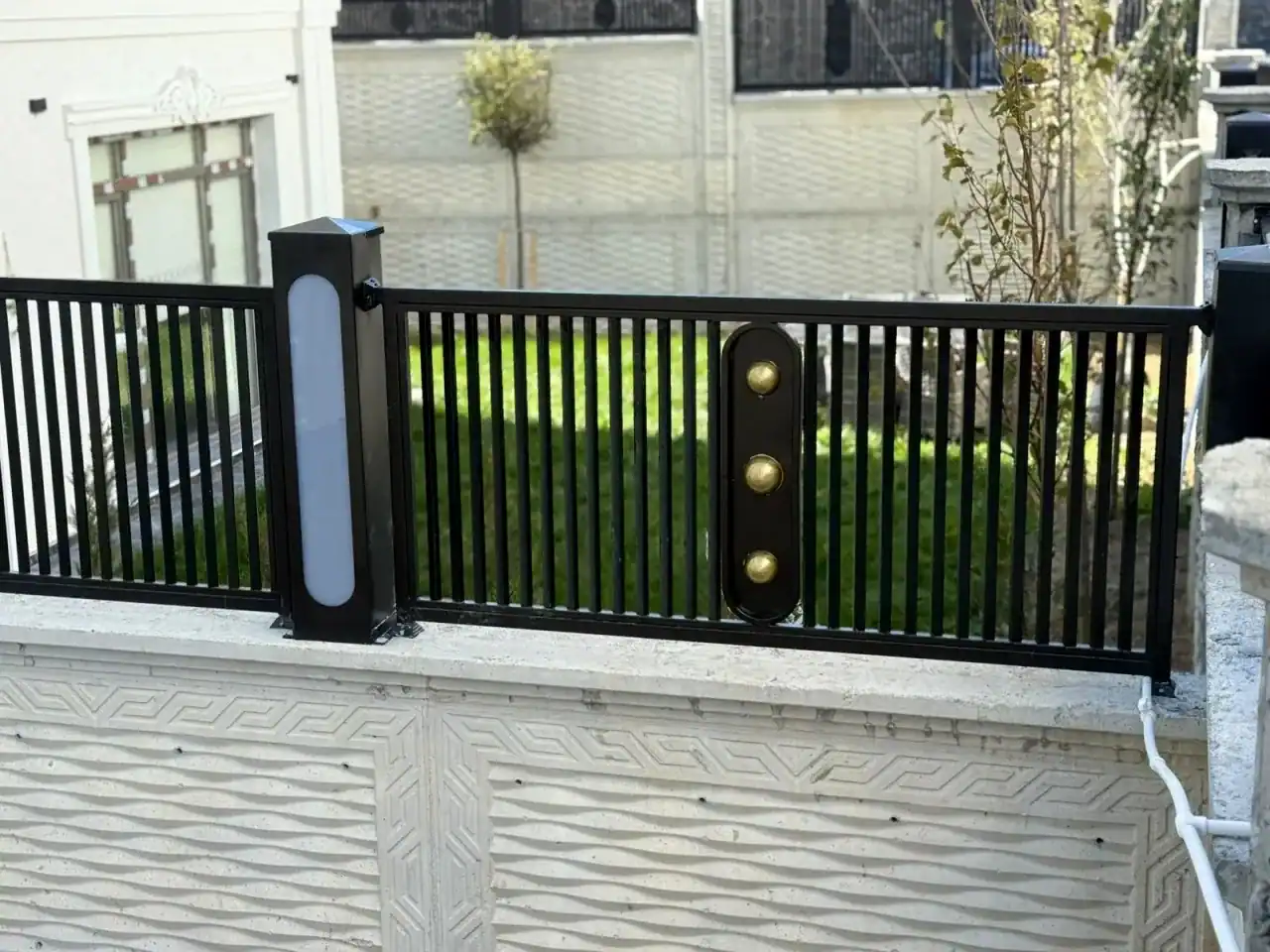
Vertical-Bar Wall-Top Railing
Wall-Top Railings · Anthracite or matte black
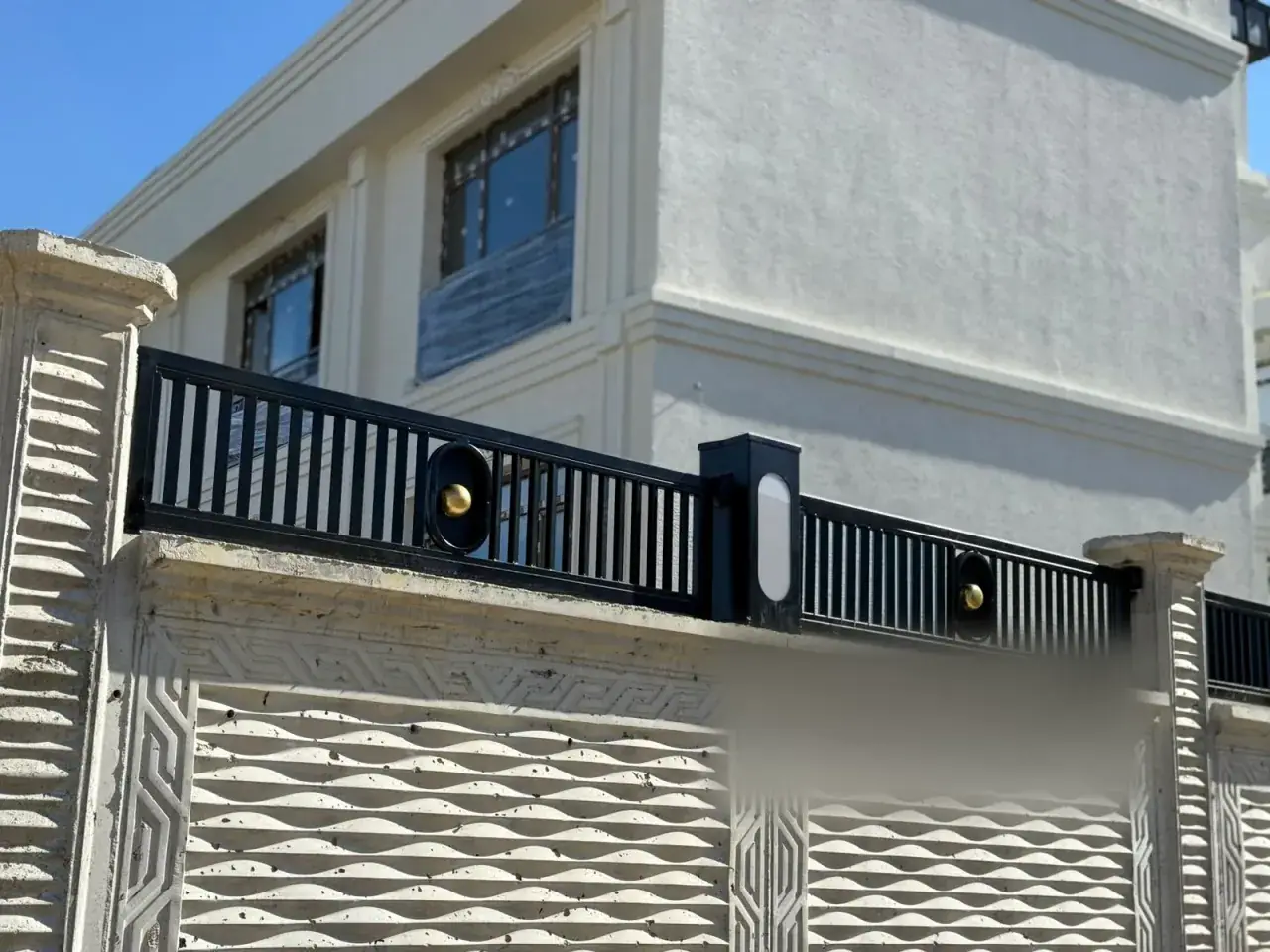
Horizontal-Slat Wall-Top Railing
Wall-Top Railings · Anthracite gray (RAL 7016)
06Delivery and installation
How do we get from Arnavutköy to Sarıyer?
Delivery from Arnavutköy to Sarıyer covers a short distance. On plots with sloping, narrow driveways, installation vehicle access and part length are planned together during the site survey.
On sloping plots, measuring often takes two stages: first the opening and the level difference, then a verification once the column positions are set. Installation time depends on the gate type and whether foundations are needed. For work along the coast, the scope of surface treatment also affects the schedule; we state the exact number of days in the quote after the site survey.
We have no branches or dealers; all fabrication is done in our own workshop in Arnavutköy. Price and lead time depend on the size of the job, the opening and the installation conditions — so we don’t quote a figure or a number of days up front here. Send your measurements and location, and we’ll work it out for your project.
07FAQ
Frequently asked questions for Sarıyer
My land slopes — which gate type is suitable?
On sloping entrances, a double-leaf swing gate scrapes the ground as it opens, and with a tracked sliding gate the track cannot accommodate the level difference. A cantilever sliding gate is usually the right answer: the gate is held clear of the ground, with no track on the ground. The trade-off is a stronger frame and extra clearance behind for the counterweight. Send us a photo of the entrance and the level difference, and we will assess it on site.
How much does the sea affect a railing?
Salty moisture noticeably speeds up corrosion, which shows first at joints and at the base of posts. In these locations we recommend a galvanizing + paint combination and advise a visual inspection every six months instead of once a year. Early touch-up of spots where the paint is damaged is what really determines lifespan.
Can a railing be installed on top of my sloping garden wall?
Yes; on a sloping run the railing either steps down in stages or follows the slope — the choice depends on the slope angle. In both cases, panel and post lengths are calculated in advance. If the top of the wall is wavy, the line will look visibly crooked — so we check the top surface during the site survey as well.
Which gate infill suits my house on the Kilyos side?
On an exposed north-facing frontage, fully solid infill acts like a sail in the wind, straining the hinges and the motor. A partly open infill style — vertical bars, spaced slats — lets the wind through, so it performs better along this stretch. If you want solid infill, we handle it by increasing the frame section. Tell us which way the plot faces and the gate dimensions, and we will decide together which is right.
Can your installation vehicle get up to my plot?
We determine this by seeing the road during the site survey. On narrow, winding roads, a vehicle carrying long parts cannot get around some bends; in that case we split the part so it can be joined on site, or unload it at a nearby point and carry it the last stretch by hand. Sending us a photo of your driveway speeds this decision up considerably.
How should a seaside railing be maintained?
We recommend a visual inspection every six months rather than once a year. The places to check are clear: joints, the base of posts and any spots where the paint is damaged. A scratch caught early is closed with a small touch-up; if the same spot stays exposed through a whole winter, it turns into deterioration that starts in the metal underneath.
08Nearby areas