
Istanbul · District
Metal fabrication and installation in Çatalca
Large plots, agricultural and livestock buildings; the most rural fabric within Istanbul.
This page also covers the surrounding area: Ormanlı · Karacaköy · Kalfa
01Area
What kind of work comes up in Çatalca?
Although Çatalca lies within Istanbul’s boundaries, in terms of building demand it resembles Thrace more than the city. Plots are large, buildings are far apart, and a significant share of the work is not housing but production buildings: barns, hay stores, storage buildings, greenhouses and machinery sheds.
With livestock buildings, the topic we discuss most is ventilation. Animals in a barn constantly produce moisture and ammonia; when these are not removed, productivity falls and the building deteriorates quickly. In a properly designed barn, ventilation is done not by fans but by the building’s own geometry — air enters through the side walls and leaves through the ridge opening. This geometry is decided before fabrication.
The second common topic is fencing. On large plots the runs are long, so mesh panel fencing is the most economical solution per meter. The ground is the deciding factor here: in diggable soil the work moves quickly, while on rocky ground the same run can take several times as long. If the land slopes, the fence steps down in stages, and the stepping plan is drawn up by walking the entire run.
For storage buildings and machinery sheds, the most frequent question is height. If a tractor, trailer or combine harvester will move inside, the door opening and eave height are set according to these vehicles; when the height of a raised loader bucket or a raised tipper body is not taken into account, the building feels too small in its very first season. We take these measurements from the vehicle itself during the site survey.
Demand profile
Most of the work from Çatalca is agricultural and livestock buildings: barns, hay stores, machinery sheds and greenhouses. This demand is not seasonal but tied to the growth of the farm — when capacity increases, the barn is extended; when the machinery fleet grows, a shed is added.
Fencing comes second, and the run lengths here are unlike those in any other Istanbul district; hundreds of meters are normal. The villa and detached-house side is not small either: entrance gates and garden boundaries come up regularly in village centers and newly built detached houses.
02Services
Featured work in Çatalca
This list is based on the requests we receive most often from this area. You can also write to us about work that isn’t on the list.
- Steel BarnsWide-span barns designed around ventilation and hygiene.
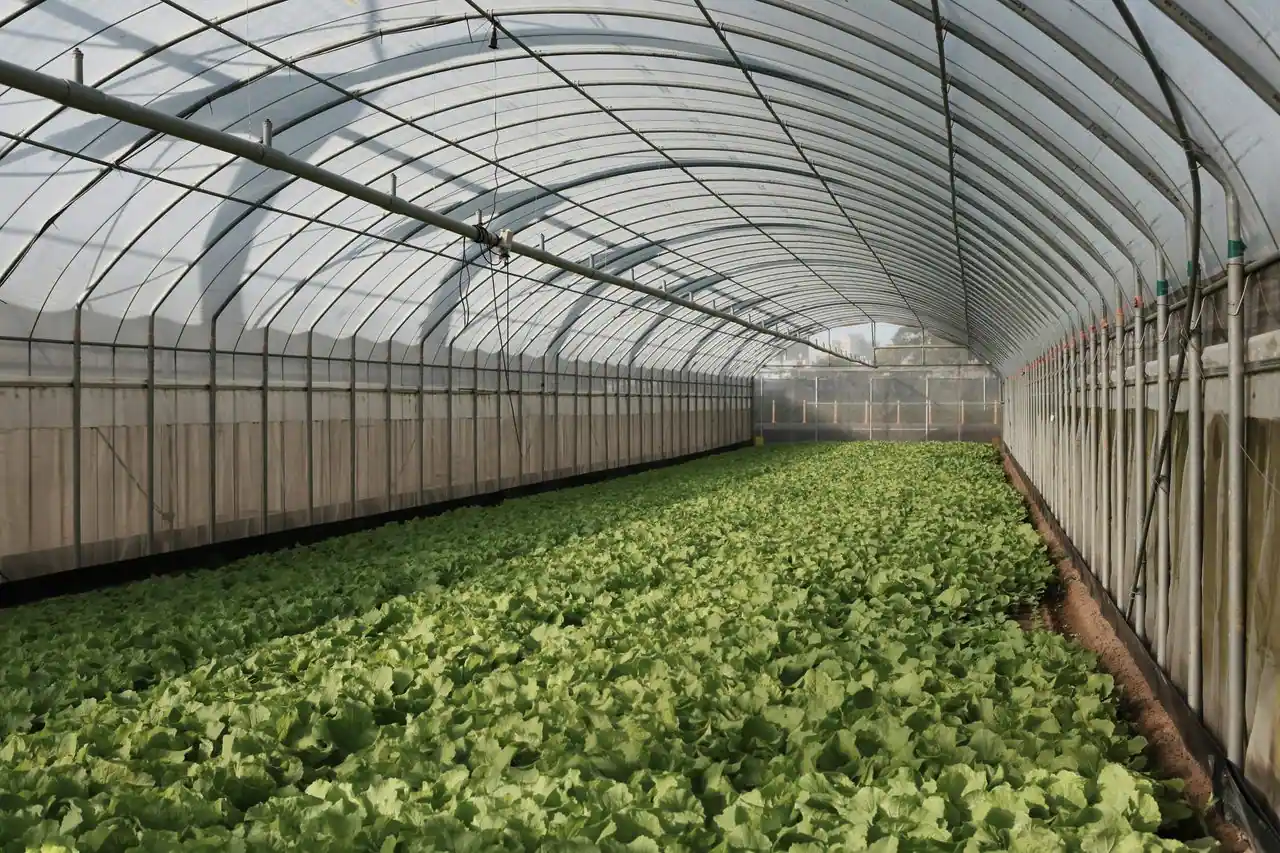
- Steel GreenhousesGreenhouse frames in galvanized profiles, built to withstand wind and snow loads.
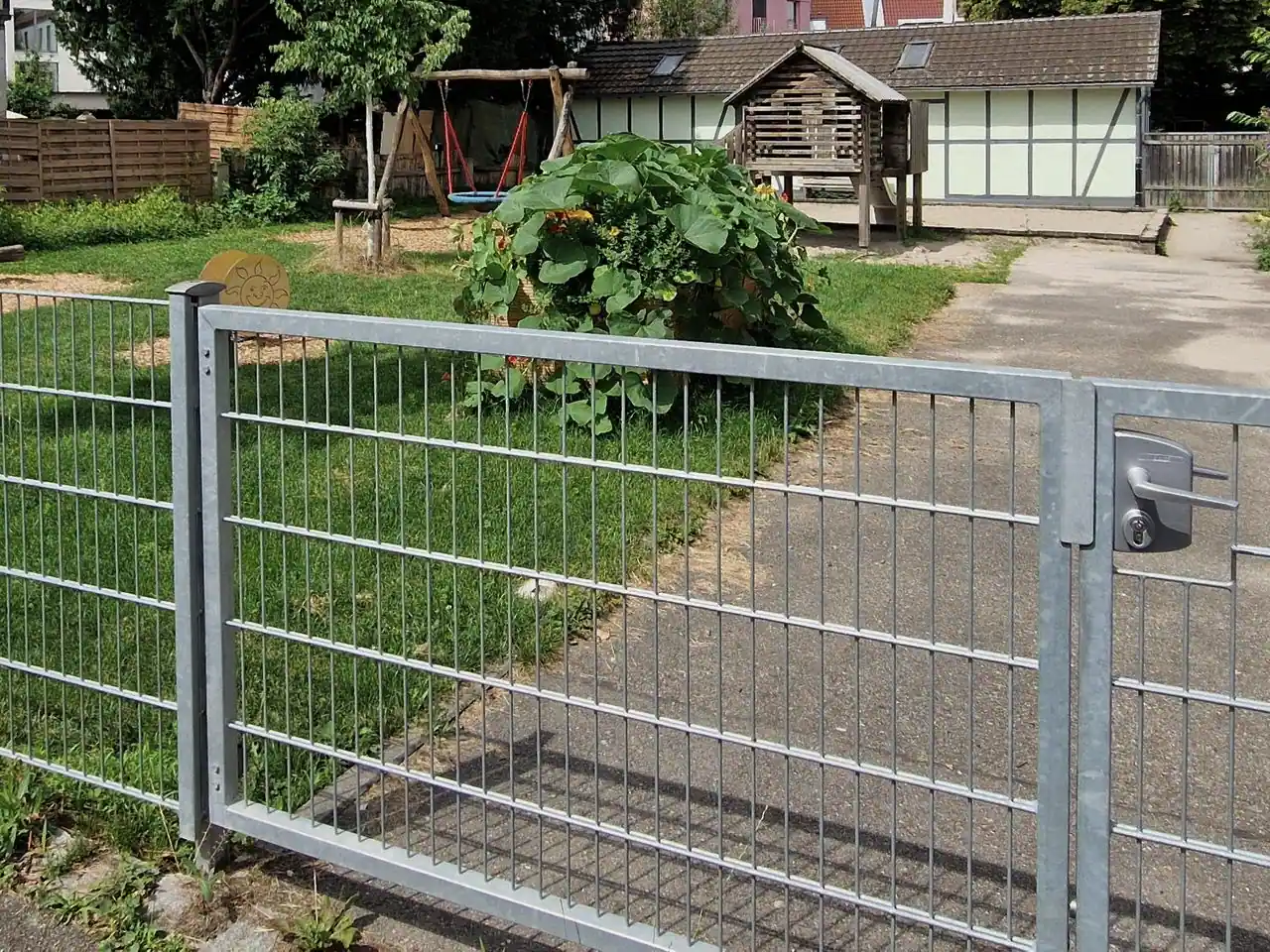
- Mesh Panel FencesEconomical perimeter security with galvanized + PVC-coated wire mesh panels.
- Steel ConstructionStructural steel systems for warehouses, workshops and commercial buildings.
- Steel RoofsComplete roof structures, with purlins, trusses and roofing.
03Local conditions
What drives our decisions in Çatalca?
Climate, ground, wind and access conditions directly change our decisions on sections, surface treatment and installation. This section explains what we do differently in this area, and why.
01
Wind and building orientation on open land
On the Çatalca plain the wind blows unobstructed, and this is both a load and an opportunity. When a barn is oriented to the prevailing wind, ventilation works by itself; the same building set the wrong way is poorly ventilated and takes more load. For greenhouses and lightweight roofs, the effect of the wind is mostly to suck upward rather than press down, so the anchoring is calculated with that in mind.
02
Post spacing on long runs
On a fence run hundreds of meters long, what matters is not the panel model but the post spacing and anchoring. Leaving the spacing wider than necessary looks like a saving at first, but after a few seasons the line becomes visibly wavy. If the land slopes, whether the run will step down or follow the slope is decided from the outset; the two mean different fabrication and different post lengths.
03
Interior height in agricultural buildings
In shed and storage building work, the most frequently overlooked input is interior height. What matters is not the vehicle’s own height but the movement it will make inside: if a trailer will be tipped or a combine header raised, the clear height needed rises well above the vehicle’s height. If this information is not given at the start, the building ends up unusable; raising it later effectively means rebuilding it.
04From the field
Situations we often encounter in this area
We don’t give client names, project names or dates; what we describe is the situation itself and how it was solved.
Needing to extend the barn later
In livestock farming, capacity grows over time, and the most common question is whether the existing building can be extended. In a building laid out on a structural grid, extension is possible: the new bay continues from the existing grid line. What matters is how the end frame was chosen — if the possibility of growth was mentioned at the start, the addition is very easy; if not, the end section may need strengthening.
The fence line runs into rocky ground
On long runs, the ground does not stay the same along the line. Work that moves quickly in diggable soil slows down markedly in a rocky section, and the anchoring method changes. That is why we check the ground at several points along the line before quoting; a duration or method based on a single point is misleading for the run as a whole.
05Models
The models we’re asked about most in this area
All are made to measure; the model is a starting point. Changes can be made to suit the dimensions and the opening.
06Delivery and installation
How do we get from Arnavutköy to Çatalca?
The distance from Arnavutköy to Çatalca is short; large parts can be delivered in a single trip. On plots where access across the fields is difficult, the route the installation vehicle can use is determined during the site survey.
For agricultural buildings, measuring usually takes one visit, but for fencing jobs with long runs, we walk the land and note the ground and the slope. Installation time depends more on the ground and access than on the length of the run; we state the exact number of days in the quote after the site survey.
We have no branches or dealers; all fabrication is done in our own workshop in Arnavutköy. Price and lead time depend on the size of the job, the opening and the installation conditions — so we don’t quote a figure or a number of days up front here. Send your measurements and location, and we’ll work it out for your project.
07FAQ
Frequently asked questions for Çatalca
What herd size do you build barns for?
We have no limit on numbers; what matters is not the number itself but the span and farm layout that number requires. Tell us the number of animals, the type of livestock and how you operate — the building’s dimensions follow from those needs. Agreeing on square meters first and then trying to fit everything in leaves you with a building that gets in the way every day.
I want to fence in my field — how long will it take?
The ground determines the duration more than the length of the run does. In diggable soil, many meters are covered per day; on rocky ground the same run takes considerably longer. Concrete curing time is also a fixed part of the schedule and cannot be rushed. Tell us the length of the run and the ground conditions, and we will give you a realistic schedule.
Do you also build greenhouse frames?
Yes, we do. Because the inside of a greenhouse is a constantly humid environment, we recommend a hot-dip galvanized structure. It is important to tell us at the start what you will grow: with crops such as tomatoes and cucumbers, the plants are hung from the frame, and this is a permanent load measured in tons per decare (1000 m²) — it goes directly into the section calculation.
Can I expand my barn in the future?
In a building laid out on a structural grid, extension is possible; the new bay continues from the existing grid line. If you share your expansion plans at the start, we choose an end frame ready for it, and the addition goes almost without a hitch. If not, the end section may need strengthening. Tell us both your current capacity and the capacity you are aiming for.
A trailer will be tipped inside my shed — what height do I need?
What matters here is not the vehicle’s height but the movement it makes. When a trailer tips, the height it reaches rises well above the vehicle’s own height. Tell us which equipment will do what inside — tipping, raising a header, loading by crane — and we will calculate the clear height accordingly.
My land slopes — how does the fence line step down?
There are two ways: the panels can stay horizontal and step down in stages, or they can be fabricated to follow the slope of the run. The stepped solution looks neater but leaves triangular gaps beneath the panels; following the slope leaves no gaps, but the pieces are fabricated individually. Share the slope angle and the length of the run, and we will decide together which is suitable.
08Nearby areas